
-
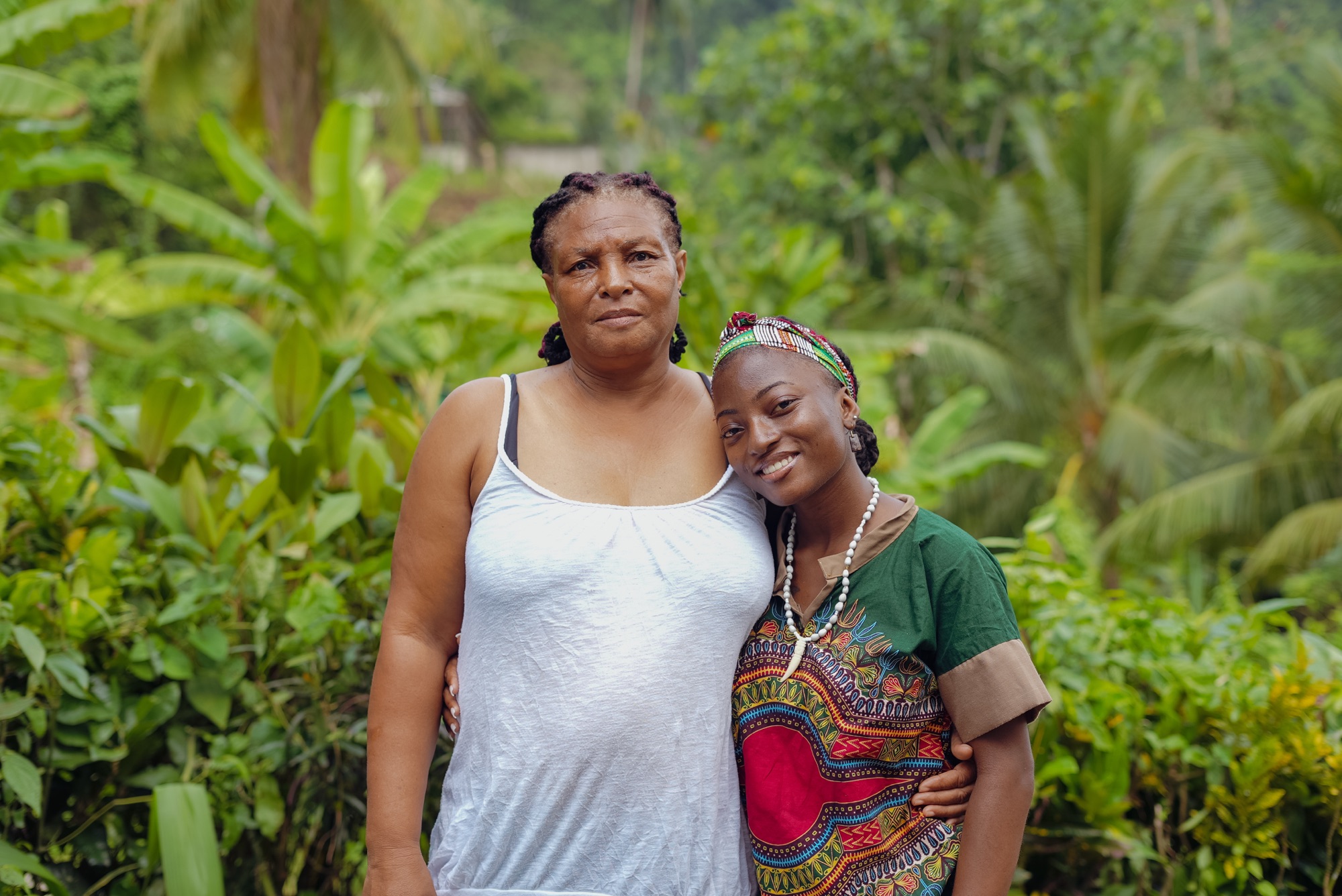

Nothing Before Its Time: A Story of Hope, and a Blessing
Read more: Nothing Before Its Time: A Story of Hope, and a BlessingHope Vocals is the youngest daughter of a culture-bearing house, and she has reawakened an old song that has never left a girl alone in…
-
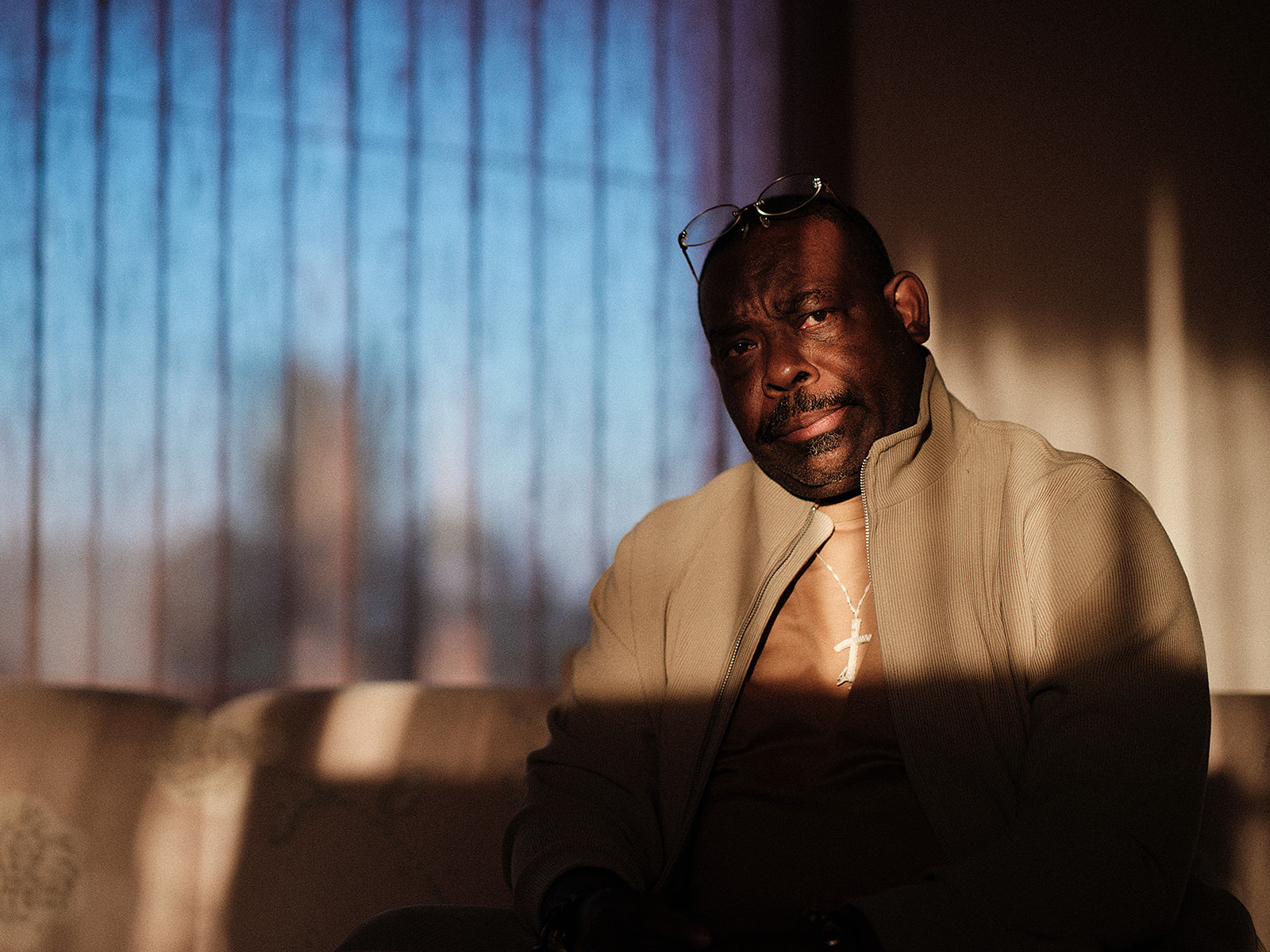

Pimento, Plexiglass and Paradise
Read more: Pimento, Plexiglass and ParadiseGodfrey Wade gave fifty years to the United States as a soldier, chef, father, athlete, and fashion designer. Then they put him on a plane…
-


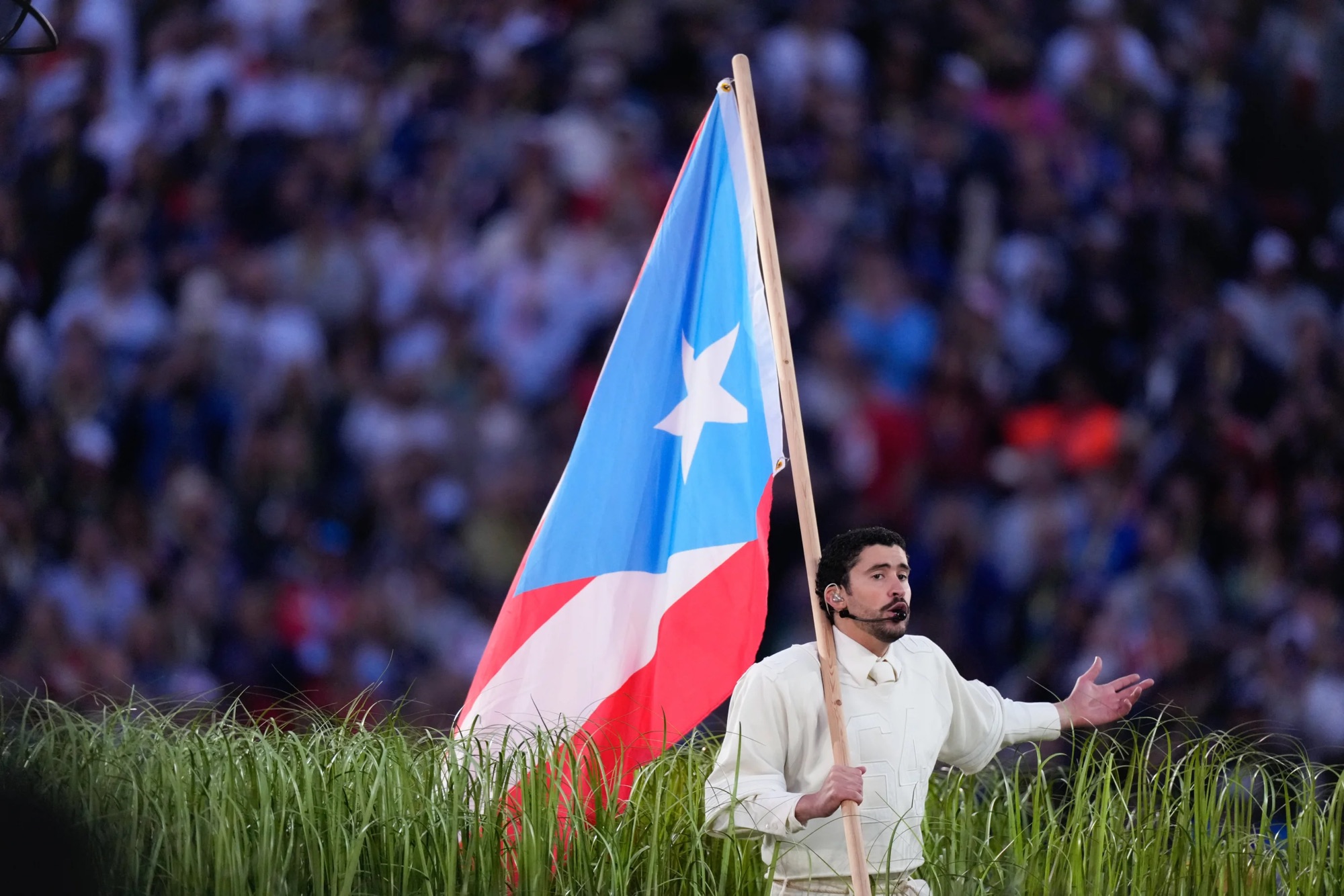
Bad Bunny, Shaboozey, and the Debt That Crosses Every Border
Read more: Bad Bunny, Shaboozey, and the Debt That Crosses Every BorderBad Bunny’s Super Bowl performance was billed as entertainment. But for us in the African diaspora paying attention, it rang out as an indictment. I…
-

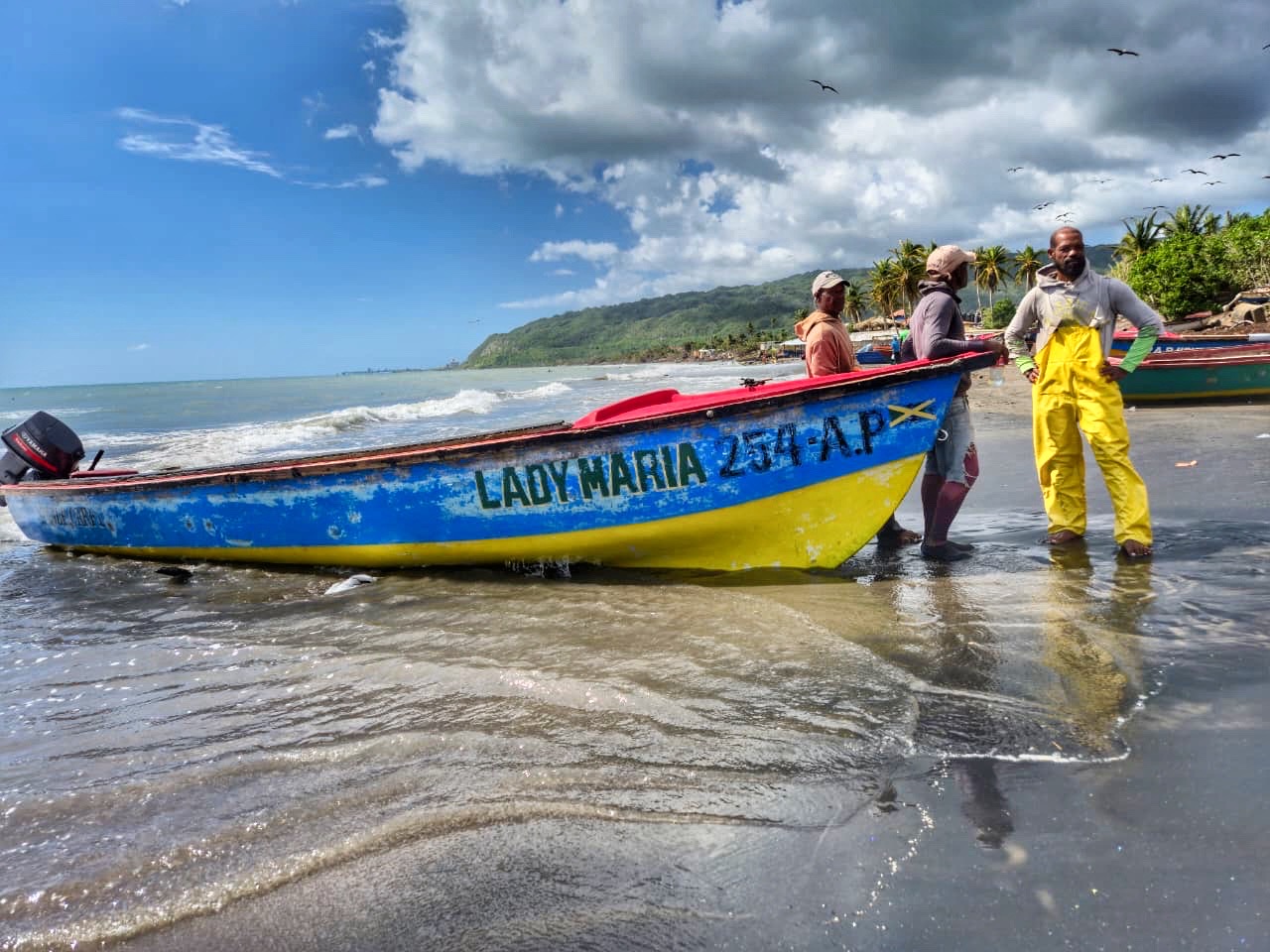
Same Mother, Same Father, Same Boat
Read more: Same Mother, Same Father, Same BoatThree brothers, one boat, and a sea still settling after the storm. A portrait of labor, inheritance, and quiet resistance in Alligator Pond, Jamaica.
the stories we tell are about…
For the people who work the land and the sea.
Ground tells the stories of farmers, fishermen, and the laborers whose hands shape the Caribbean landscape. It follows the rhythms of planting and harvest, the economics of small-scale agriculture, and the quiet inheritance of knowledge passed between generations. These are the stories that rarely make the news but hold the country together.
For the displaced, the deported, and the diaspora in between.
Exile examines what it means to belong to more than one place, or to be claimed by none. It covers deportation, migration, dual citizenship, and the tangled loyalties of living between Jamaica and America. It asks what home becomes when borders, policy, and distance have had their say.
For culture as it moves through the world.
Reverb follows music, art, and language as they cross water. It tracks the way a riddim becomes a sample becomes a movement, how a mural in Treasure Beach speaks to a gallery in Brooklyn, and why the Caribbean imagination keeps reshaping global culture. These pieces are equal parts criticism and celebration.
For the aftermath, and what we build from it.
Tender covers disaster, recovery, grief, and the community infrastructure that holds people when systems fail. It reports on hurricane response and mental health, on mutual aid and the limits of charity, on what it costs to care for a place you love. This is where journalism meets service.
-
Nothing Before Its Time: A Story of Hope, and a Blessing
-
Same Mother, Same Father, Same Boat
-
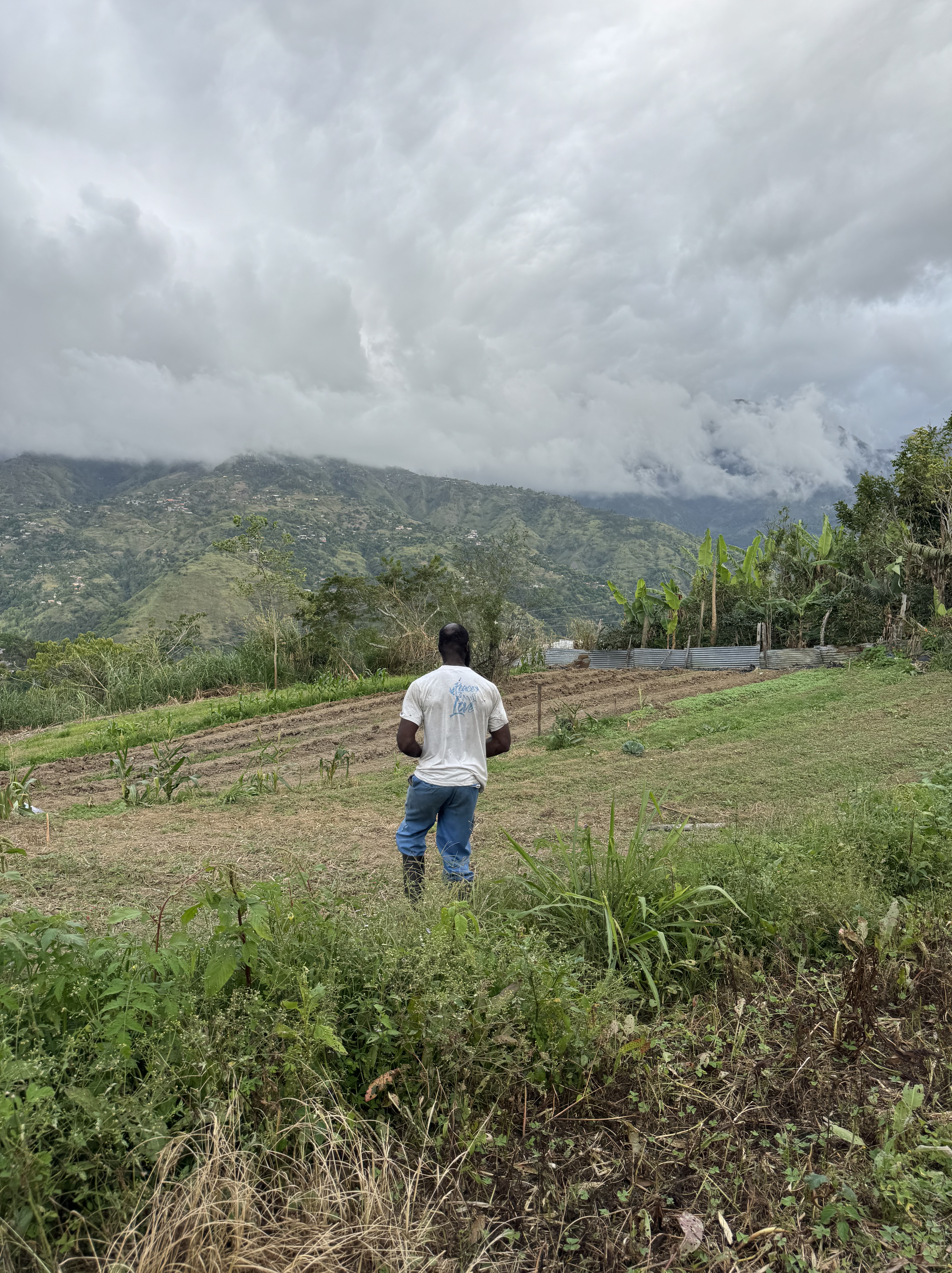
What Persists: A Visit to Content Gap After Melissa
-
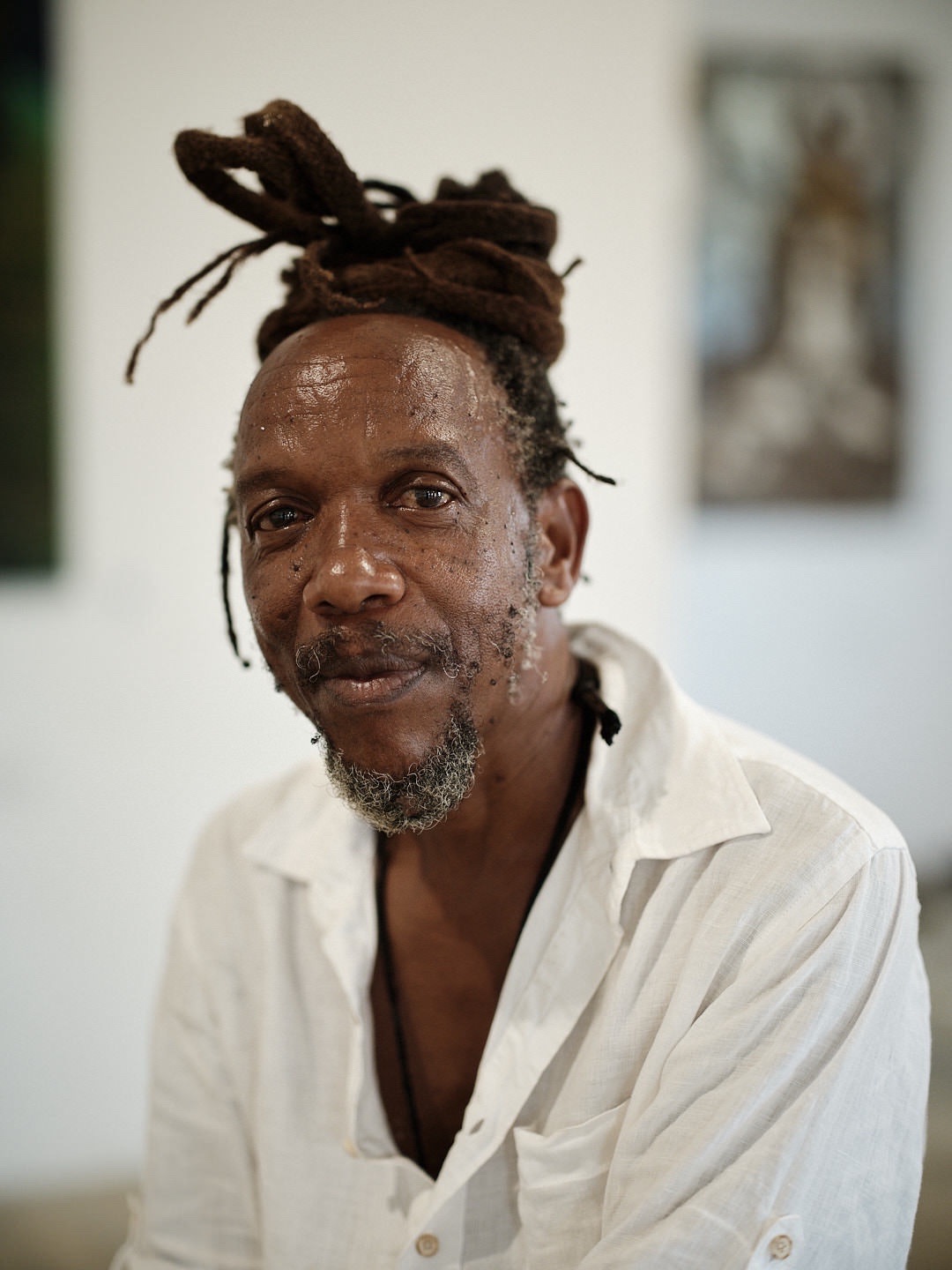
In Loving Memory of Mazola Wa Mwashighadi